
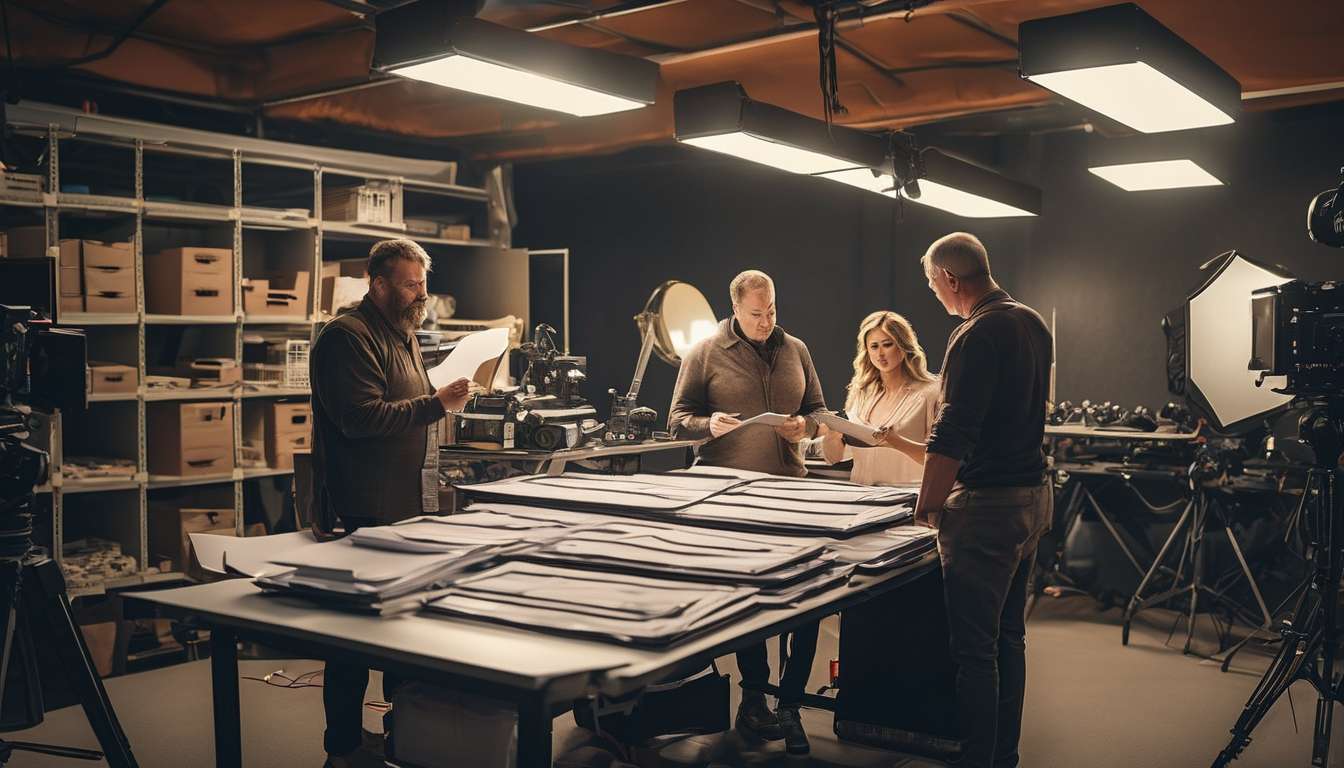
By 72% of studios reporting measurable reductions in shoot-day delays after implementing structured operational training, we recognize that targeted learning transforms production realities.
We have watched workflows stabilize as crew members adopt standardized checklists, safety protocols, and communication rituals tailored to our industry’s unique demands.
Together, we have shifted from reactive problem-solving to proactive coordination, reducing reshoots, improving consent and safety practices, and streamlining logistics from scheduling to post-production handoffs.
Our teams now share a common language for set expectations, performance readiness, and contingency responses, which cultivates trust and efficiency across departments.
As practitioners and managers, we appreciate that operational training is not a one-time seminar but an evolving practice that embeds best practices into daily routines.
In this article, we outline how structured training modules, measurable KPIs, and continuous feedback loops have elevated studio operations, benefitting creative outcomes, performer wellbeing, and bottom-line productivity.
-
Structured training modules
- Define core competencies for each role
- Use scenario-based exercises to rehearse real shoot-day challenges
- Include refreshers and onboarding checkpoints for new staff
-
Measurable KPIs
- Track shoot-day delay frequency and duration
- Monitor reshoot rates and incident reports
- Measure performer satisfaction and consent-related metrics
-
Continuous feedback loops
- Implement after-action reviews and debriefs
- Maintain anonymous channels for safety and process concerns
- Regularly update checklists and protocols based on collected data
The result: clearer expectations, safer sets, improved creative focus, and measurable productivity gains across studios.
Training Program Overview
Program purpose and focus
We designed a focused training program that teaches performers and crew clear safety, consent, and workflow protocols while improving set efficiency.
Core principles
We build operational training around practical modules that center respect, mutual support, and shared responsibility, so everyone feels they belong and matter.
Consent protocols (concrete steps)
- We cover consent protocols in concrete steps:
- Verbal check-ins.
- Documented boundaries.
- Real-time pause procedures.
- We practice these steps until they become second nature through repetition and applied drills.
Workflow and efficiency improvements
- We streamline routines to reduce downtime and stress:
- Call times.
- Equipment handoffs.
- Scene resets.
- We use short drills, scenario rehearsals, and group reflections so learning is active and collective.
Measurement and iteration
- We track performance metrics to show progress:
- Reduced interruptions.
- Faster turnover.
- Higher self-reported comfort scores.
- We keep materials concise, avoid jargon, and invite feedback so the program evolves with the team.
Desired outcomes
We aim for measurable improvements that reinforce trust, clarify expectations, and make the set a place where everyone can work confidently and belong.
Role-Based Competencies
Each role on set has a defined set of competencies—skills, behaviors, and decision-making standards we expect people to demonstrate reliably under real conditions.
We map these competencies to clear outcomes so every team member knows how they contribute and belongs to a dependable production culture.
Our operational training ties role descriptions to hands-on expectations, reinforcing:
- Practical technical abilities
- Communication norms
- Emotional intelligence
We make consent protocols a central competency for performers, assistants, and crew, specifying:
- Who verifies agreement
- How limits are documented
- When and how action is paused if needed
We quantify expectations with performance metrics—timeliness, adherence to safety checklists, and responsiveness during adjustments—so feedback is objective and growth-oriented.
Supervisors coach using those metrics to help colleagues improve without judgment.
By standardizing role-based competencies, we create predictable workflows, reduce ambiguity, and foster mutual respect.
We want everyone to feel seen, supported, and part of a team that upholds safety, professionalism, and shared responsibility.
Scenario-Based Drills
We run realistic scenario-based drills that let teams rehearse responses to common and rare on-set situations so everyone practices decision-making, safety pauses, and communication under pressure.
We simulate call-sheet changes, equipment failures, and interpersonal conflicts in compact, timed exercises that mirror real shoots.
By keeping scenarios varied and inclusive, we make sure every role—from grips to producers—feels seen and accountable.
We use operational training frameworks to structure each drill and keep debriefs focused:
- What went well.
- What stalled.
- What we’ll change.
We incorporate consent protocols into scenario parameters without rehashing policy details, ensuring role-players can practice:
- Asking.
- Clarifying.
- Pausing when needed.
Observers record clear performance metrics so teams can track growth over weeks:
- Response time.
- Escalation steps followed.
- Communication clarity.
We refine scenarios based on those metrics, fostering a steady sense of shared progress and belonging across departments.
Safety and Consent Protocols
We establish clear, practiced safety and consent procedures that everyone on set knows how to use and can rely on in the moment.
We train together so that consent protocols become as routine as checking equipment.
- Verbal check-ins are practiced.
- Safe words are agreed and rehearsed.
- Documented boundaries are reviewed until they feel natural.
We create an atmosphere where asking for clarification is encouraged, and where declining or pausing an action is met with immediate respect and adjustment.
We integrate operational training with role-specific exercises so every team member — performers, crew, and coordinators — understands responsibilities and responses.
We run refresher sessions that reinforce nonjudgmental communication, privacy safeguards, and emergency steps.
We collect performance metrics tied to incident reports, response times, and participant feedback to identify gaps and strengthen practices.
By centering trust and mutual care, we build belonging and accountability on set, making safety and consent not just rules but shared commitments we all live by.
KPI Tracking Methods
We track a focused set of KPIs—incident rates, response times, participant satisfaction, and compliance checks—and review them regularly to spot trends and prioritize improvements.
We standardize operational training records and link them to performance metrics so everyone sees how skill development reduces incidents and shortens response times.
We include consent protocols in our dashboards, measuring adherence and timing to ensure consent is documented and respected across shoots.
We use simple visualizations and shared scorecards so crew and performers feel included and accountable; this fosters belonging and collective ownership of outcomes.
We set clear thresholds for alerts, run periodic audits, and assign owners to each metric so follow-through is consistent.
We balance quantitative data with context notes to avoid misinterpretation, and we protect privacy when reporting participant satisfaction.
We review metric definitions quarterly, update our tracking tools as processes evolve, and ensure operational training adapts when performance metrics indicate gaps.
Result: This approach keeps us aligned, responsible, and continuously improving without singling anyone out.
Feedback and Debriefs
We hold structured feedback sessions and debriefs after each shoot.
We capture lessons, address issues while they’re fresh, and turn insights into concrete action items.
We gather the team in a respectful circle and invite candid observations.
- We focus on what worked and what needs improvement without assigning blame.
- Our operational training gives everyone a shared language for feedback, so suggestions align with studio standards and safety expectations.
We prioritize consent protocols in every discussion.
- We review whether consent was upheld, how communication flowed, and whether any adjustments are needed for future shoots.
We tie qualitative observations to production metrics.
- We connect debrief comments to measurable targets rather than vague notes.
- We convert each session into a short, shared checklist of action items, responsible owners, and deadlines.
Outcome:
These practices keep improvements visible and inclusive, reinforce trust, and ensure everyone knows their role in raising standards and sustaining a supportive, professional environment.
Onboarding and Refreshers
Onboarding program:
We onboard every new crew member with a concise program that blends hands-on shadowing, standards briefings, and refresher modules so everyone hits the same safety, communication, and quality benchmarks.
Team integration:
We make onboarding feel like joining a team: introductions are intentional, roles are clarified, and expectations are mutual.
Operational training focus:
Our operational training centers practical skills and the studio’s values, so people know how to do the work and why it matters.
Consent protocols:
We emphasize consent protocols from day one, teaching clear verbal agreement, boundaries, and how to pause or reframe a scene without stigma.
Refresher training:
Refreshers are scheduled regularly and triggered by role changes or new equipment; they’re short, focused, and scenario-based to keep skills current.
Performance and development:
We tie training results to transparent performance metrics so individuals see progress and areas for growth, and supervisors can support development rather than punish mistakes.
Outcomes:
This approach builds trust, keeps standards consistent, and fosters a workplace where everyone belongs and contributes safely and confidently.
Continuous Improvement Practices
We continuously collect frontline feedback, review incident data, and run small experiments so we can iterate processes, reduce risk, and raise quality.
We use operational training as the backbone of our continuous improvement. This ensures every team member feels empowered to propose changes and knows how to apply them.
We treat consent protocols as living documents, updating them from lessons learned and ensuring everyone understands why changes matter.
We monitor clear performance metrics to track outcomes, spotlight improvements, and identify gaps that need immediate attention.
We meet regularly in inclusive forums where people share observations without fear of blame, and we document test results so successful tweaks become standard practice.
We cross-check training materials against real-world scenarios to keep learning practical and relevant.
By combining data, direct experience, and shared responsibility, we cultivate a culture where improvement is ongoing, collaborative, and measurable.
Key features of this approach:
- Emphasis on frontline input so changes reflect real operational needs.
- Operational training tied to practice to make implementation consistent.
- Living documentation for consent and protocols to keep them current.
- Metric-driven monitoring to measure impact and prioritize fixes.
- Blameless, inclusive forums to encourage open reporting and idea-sharing.
- Continuous testing and documentation so successful changes are institutionalized.
Outcome: a safer, higher-quality studio operation where every contributor knows their input shapes improvements.
How does the training program address legal compliance beyond consent (e.g., age verification laws, record-keeping, and jurisdictional differences)?
We’re asking how the training tackles legal compliance beyond consent.
We’ll teach strict age-verification processes, document retention policies, and how to follow differing jurisdictional laws.
We’ll practice verifying IDs, maintaining secure records, and escalating ambiguous cases.
We’ll create checklists, local law summaries, and regular audits.
We’ll encourage questions, share resources, and build a supportive culture where everyone feels responsible for lawful, ethical operations and ongoing learning.
What accommodations are made in training for neurodiverse or disability-accessible learners who may need alternate formats or pacing?
We recognize the Current Question asks about accommodations for neurodiverse or disability-accessible learners needing alternate formats or pacing.
We provide multiple modalities:
- Captioned videos
- Transcripts
- Plain-language summaries
- Screen-reader–compatible materials
We offer flexible pacing and assessment options:
- One-on-one coaching
- Quiet testing environments
- Extended time
We solicit individual needs confidentially and adapt content and assessments.
We continuously gather feedback to improve accessibility and ensure everyone feels supported and included.
How are mental health supports integrated for performers and crew outside of on-set safety (e.g., access to counseling, post-scene processing, and trauma-informed resources)?
We provide confidential counseling and ongoing accessible care.
- Confidential counseling with trained professionals.
- Regular check-ins to monitor wellbeing.
- Optional post-scene processing sessions with trained facilitators.
We offer trauma‑informed resources and peer support.
- Trauma‑informed materials and protocols.
- Peer‑support groups to share experiences and coping strategies.
- Referrals to specialized mental‑health professionals when needed.
We prioritize consent, scheduling flexibility, and paid mental‑health time.
- Clear consent debriefs before and after sensitive scenes.
- Flexible scheduling to accommodate care and recovery.
- Paid mental‑health days so staff and cast can rest without financial penalty.
Our goal: everyone feels respected, supported, and able to bring their whole selves to work.
Conclusion
You’ve strengthened your studio by embedding role-based competencies, scenario drills, and clear safety and consent protocols into training.
By tracking KPIs, running timely debriefs, and providing structured onboarding and refreshers, you’ll spot gaps fast and iterate effectively.
Keep using feedback loops and data to refine practices, and make continuous improvement part of daily operations.
That way, you’ll sustain safer, more efficient shoots and protect performers, staff, and your production standards.